Ladies and Gentlemen,

your attention please!

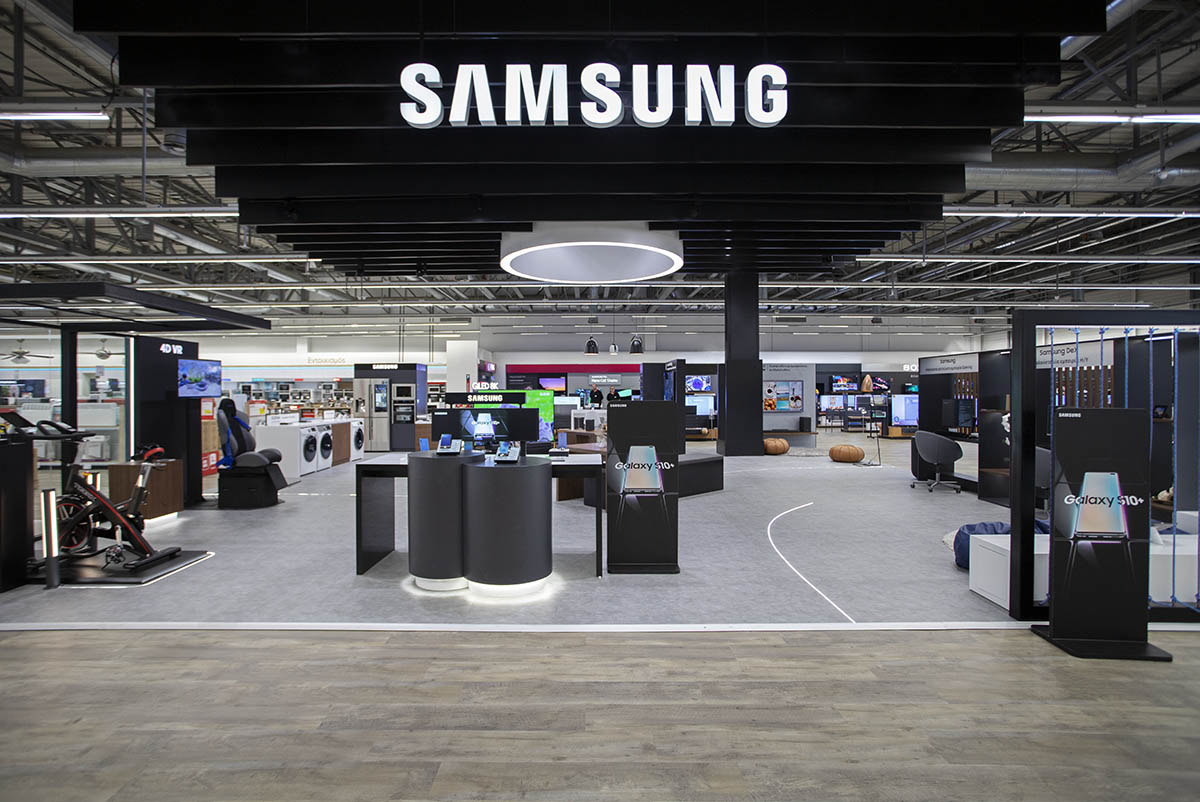
STIRIXIS Group is once again an award winner! This time, our project “Samsung Experience Hub” won the title of “Best Interior Design 2020 for Southeast-Europe” via BigSEE.

What is BigSEE?

BIG SEE is the newest, latest and most exiting emerging platform under the BIG umbrella. SEE is Southeast Europe, bringing together 19 countries and 340 million people in what we feel, claim and exclaim is the most compelling, most creative region in the world!


BigSEE Interior Design Award 2020

What about our project?

Samsung Greece assigned to STIRIXIS Group, the creation of a fresh concept at the Dixons South East Europe S.A. Kotsovolos Megastore; one of the leading European companies in electric appliances.

STIRIXIS Group was assigned the strategical design of the shop-in-shop retail concept, respecting and following the vision of Samsung “Inspire the World, Create the Future”. The main goal was to deliver a space standing out among the rest of the competitors, while at the same time the brand identity would be accurately represented.

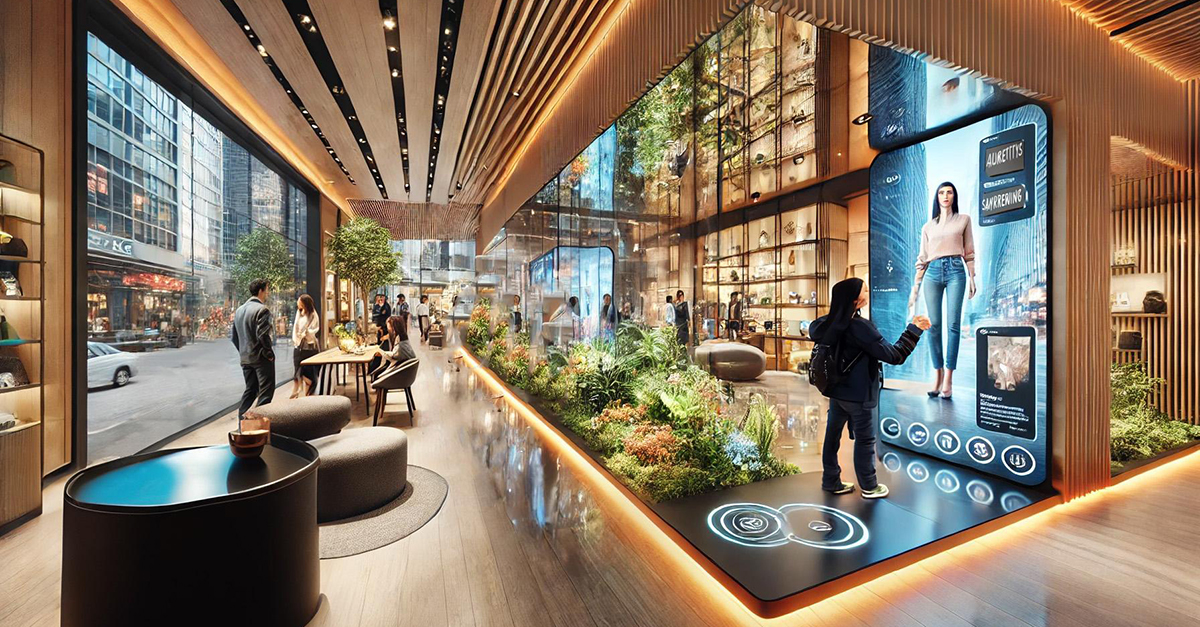
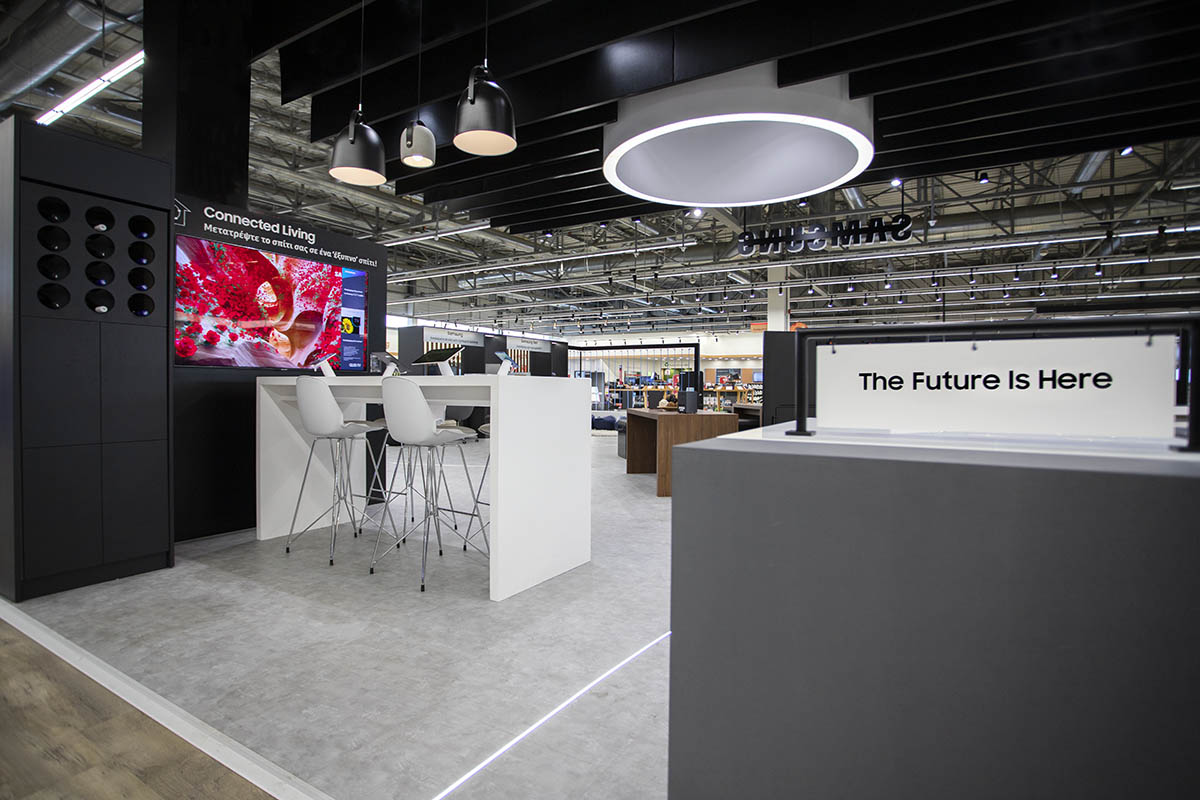
Samsung’s high tech products were the dominant element of the project, being displayed in a really unique way. More specifically, a fully simulated home of the future, divided in 5 zones, represents the ease of life offered using the products on display. A concept that puts in practice the idea that all the solutions offered enrich people’s lives and contribute to social prosperity.

The concept was based on the whole “sense of curvature”. The curves, the characteristic element deriving from the cutting-edge curved QLED technology is used as a trademark of the project; from the tailor-made furniture to the floor and its placed lit lines, all curvy, creating a futuristic environment.

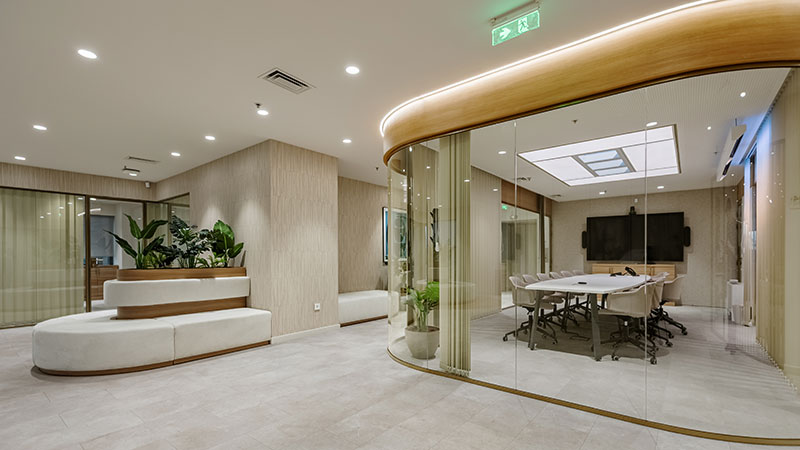
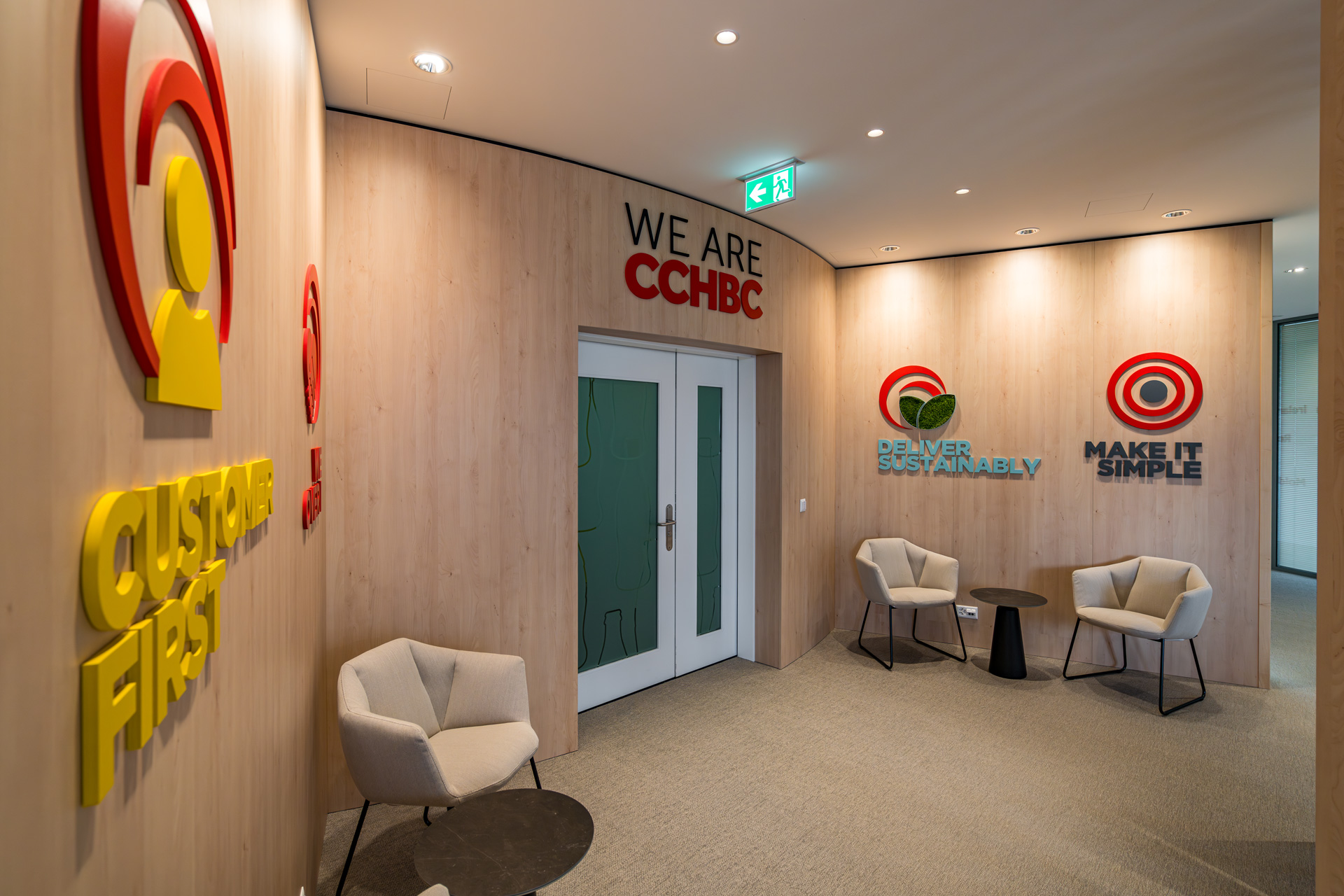
Samsung Hub - Workplaces

Alex Athanassoulas, President & CEO of STIRIXIS Group, commented: “#teamSTIRIXIS is delighted for this important recognition of BigSEE of our latest project with Samsung in Dixons SEE. Together with our trusted and esteemed partners, our team has created a unique experience, a recognizable retail environment within a mega store, and a functional, fast performing concept. We are above all proud of the long standing relationship with Samsung, the leader in technology, and for their trust and excellent collaboration. I want to extend a warm thank you for this recognition to both teams. With this, comes our promise to imagine more and do more together.  

From Clients to Partners

By | BLOG, INSIGHTS, INSIGHTS

From Clients to Partners

How collaboration creates lasting value

By Angie Sakellaropoulou, Corporate Relations & Reputation Development Manager, STIRIXIS Group

Summary

Collaboration evolves beyond transactional relationships into long-term partnerships built on trust, understanding, and shared ambition. Through this perspective, Angie Sakellaropoulou, Corporate Relations & Reputation Development Manager at STIRIXIS Group, reflects on how meaningful collaboration supports solutions that remain relevant and create lasting value over time.

In business, the term “client” often implies a transactional relationship: a service is provided, a fee is paid, and the engagement concludes once delivery is complete.

At STIRIXIS Group, we see things differently.

For us, every collaboration begins with a simple yet fundamental principle: True and lasting value is created through partnership, not transactions. Organizations do not need vendors who simply execute tasks. They look for collaborators who bring perspective, thoughtful dialogue, and the ability to shape solutions that perform over time. This is how relationships naturally evolve from clients to partners.

Listening First

Every collaboration begins with listening. Behind each request lies a vision, often accompanied by complex challenges, ambitions, and expectations for the future.

Our role is not merely to respond to the business challenge, but to help define the direction and gain a deep understanding of the ecosystem in which our partners operate: their strategy, culture, market dynamics, and long-term aspirations.

Only then can meaningful solutions emerge.

From Delivery to What Follows

Through strategy, design, delivery and evolution, we work closely with our partners to create environments, concepts, and systems that support real business outcomes following the Value Creation Circle™.

Success is never defined solely by the completion of a project. The true measure lies in what follows, whether the solution performs in practice, strengthens the brand, enhances the experience it offers, and ultimately generates measurable return on investment.

In other words, delivery is only the beginning.

“Delivery is only the beginning. The true measure lies in what follows.”

Our responsibility extends well beyond the handover of a project. It lies in ensuring that what we create today will remain relevant, resilient, and valuable tomorrow.

This long-term perspective is embedded in every step of our approach, from strategy and design to delivery and evolution.

Because when our partners prosper, we know we have fulfilled our purpose.

Over time, this philosophy has shaped the way we cultivate relationships. Trust grows through collaboration, transparency, and shared ambition. What begins as a professional engagement gradually evolves into something deeper: a relationship grounded in mutual respect, intellectual exchange, and a common purpose.

An Expanding Network

This belief also inspired Emergence, the Prosperity Network of STIRIXIS Group. Through Emergence, our partners become part of a dynamic ecosystem where ideas circulate, connections deepen, and opportunities for collaboration naturally arise. It reflects our conviction that prosperity expands when knowledge, experience, and vision are shared among people shaping the future together.

Thirty Years Together

This year marks a significant milestone for STIRIXIS Group: 30 years of continuous growth, collaboration, and shared achievements. Looking back, the most meaningful accomplishment is not only the work we have delivered across industries and markets, but the relationships that have grown alongside them.

Over time, many of the organizations we collaborate with, have become long-standing partners, and many of those partnerships have grown into friendships. Perhaps this is the most genuine reflection of how we approach business.

As we move forward into the next chapter, our commitment remains unchanged: to listen thoughtfully, to collaborate openly, and to support the conditions for lasting prosperity.

The future of business lies in partnerships that stand the test of time. After 30 years, this remains the most valuable outcome of our work. Greater opportunities to create prosperity together lie ahead.

If you are seeking a partner to work alongside you and support your next step, connect with STIRIXIS Group.

stirixisgroup.com | advance@stirixis.com

AgriBusiness Forum 2026: Advancing Resilience in Agrifood Systems

By | PUBLICITY

AgriBusiness Forum 2026: Advancing Resilience in Agrifood Systems

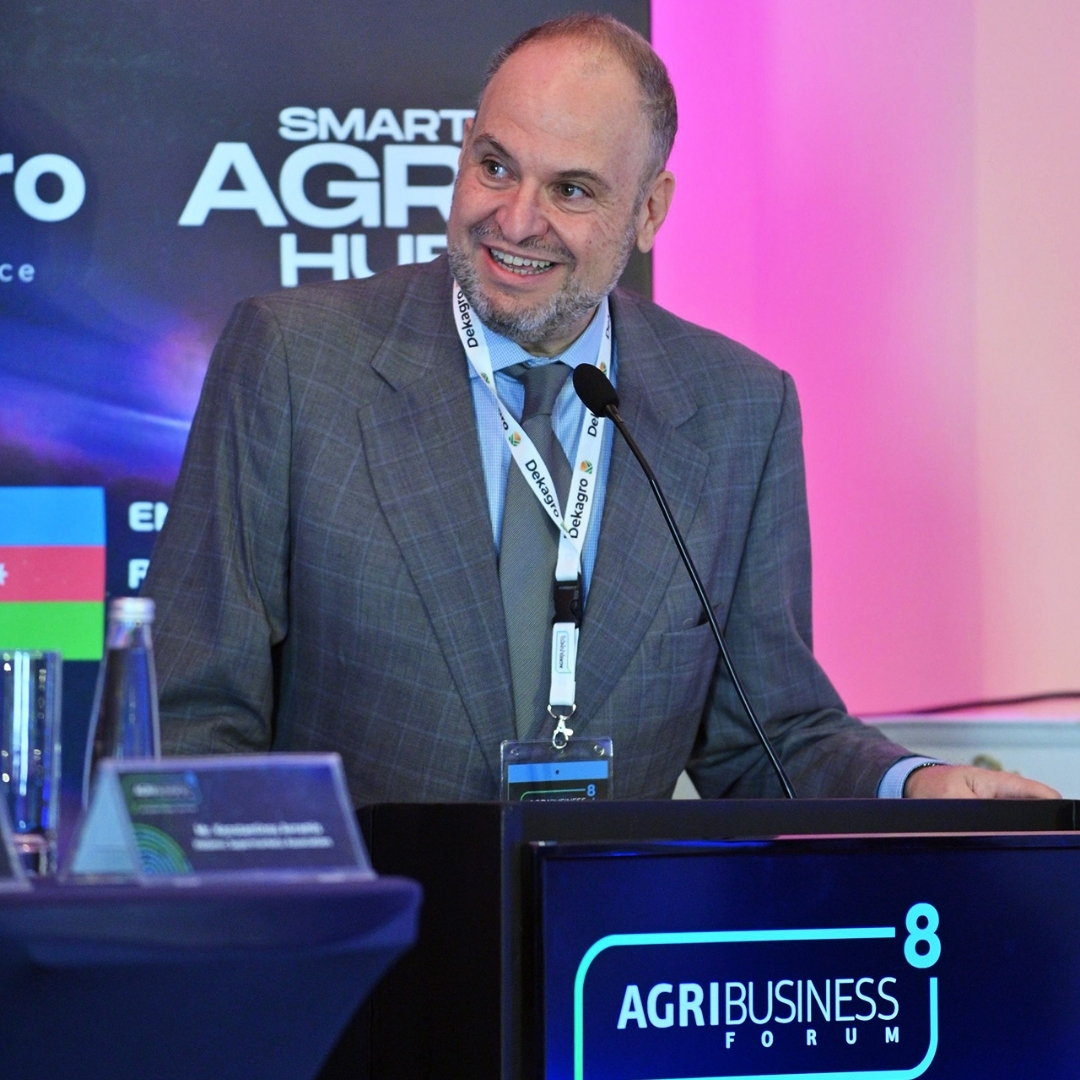
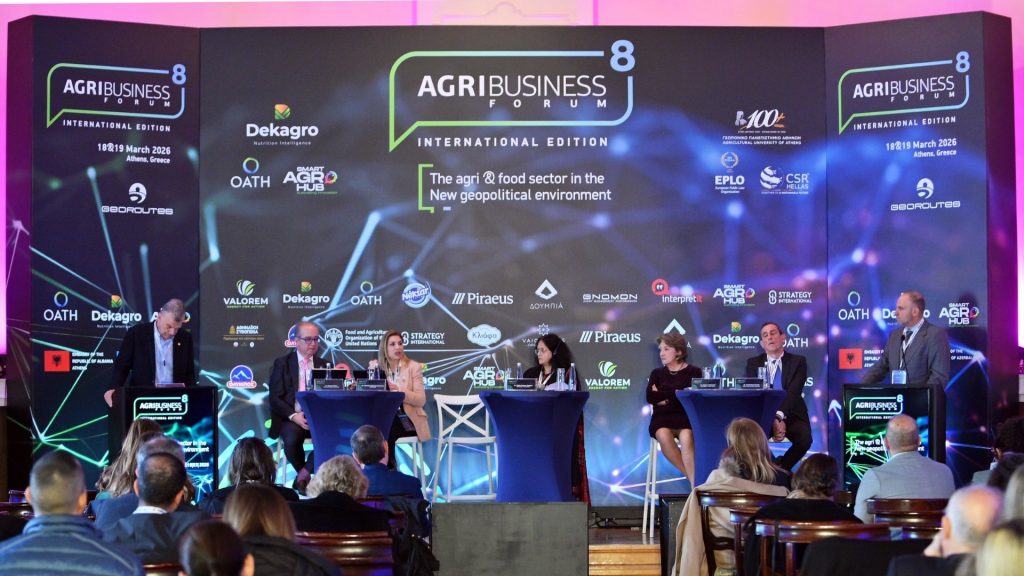
At the 8th International AgriBusiness Forum, held in Athens on March 18–19, 2026, Alexandros Athanassoulas, President & CEO of STIRIXIS Group and President of SBC Greece, moderated a high-level discussion addressing the future resilience of the agrifood sector. The Forum brought together representatives from international organizations, institutions, academia, and the private sector, creating a platform for dialogue on the geopolitical, environmental, and economic forces shaping agrifood systems today. The discussion focused on a central question: how can the agrifood sector build the resilience required to sustain the next generation?

As highlighted during the session, sustainability is no longer approached as a parallel consideration. It is embedded in how systems operate, shaping decisions across responsible production, ethical sourcing, transparency, and consumer trust. The connection between food, health, and behaviour further reinforces the need for accountability across the entire value chain, from origin to end user. These discussions reflect the increasing complexity of the sector, where food security, supply chain resilience, energy transition, and climate impact are closely interconnected. Addressing these challenges requires coordinated thinking and alignment across policy, industry, and operations.

Through its participation, STIRIXIS Group contributes to shaping dialogues where resilience, sustainability, and long-term performance are addressed as interconnected priorities within evolving systems.

From left to right: Dr. Dimitrios Skuras (co-moderator), Dr. Stefanos Fotiou, Ms. Alexandra Palli-Giannakopoulou, Ms. Nahida Rahman Shumona, Dr. Antonia Trichopoulou, Mr. Konstantinos Avramis, Alexandros Athanassoulas.

Follow STIRIXS Group on LinkedIn 

All-Time Brands

By | BLOG, INSIGHTS, INSIGHTS

All-Time Bands

How Legacy Becomes a Strategic Brand Experience

By Nadia Christidi, Senior Brand Communications Strategist, STIRIXIS Group

Summary

Digital channels shape expectations before a visit, but the true value of a legacy brand is confirmed through physical experience. When heritage is translated into sensory, behavioral and symbolic continuity, it creates something stronger than recognition. It creates a relationship, and relationships are what people remember, retell and return to.

Today, the first encounter with a brand often happens before the physical visit. Digital platforms build perception and anticipation, allowing people to imagine the experience in advance. The decisive moment comes when the physical environment confirms that promise.

Space, service, product quality and atmosphere engage the senses and turn expectation into reality. This is where a brand becomes tangible. For legacy brands, this moment is critical. History signals credibility and cultural depth, but heritage alone does not create relevance. Legacy becomes valuable when people experience it in the present.

When Continuity Builds Relationship

Brands that endure do not rely on their past as a story to communicate. They express identity through consistent behavior and carefully designed experiences.

Quality that can be felt. Rituals that create familiarity. Consistency that builds trust.

Over time, these elements create something deeper than satisfaction. They build a relationship. People return not because a brand is historic, but because the experience feels authentic and worth repeating.

The value of legacy is not in history. It is in the experience people want to live again.

Where Legacy Becomes Visible

Cities with strong cultural identity often make this dynamic clear. Milan offers a strong example, where long-established brands operate as living systems rather than symbols of the past.

Around the Duomo, heritage is activated through everyday interactions.

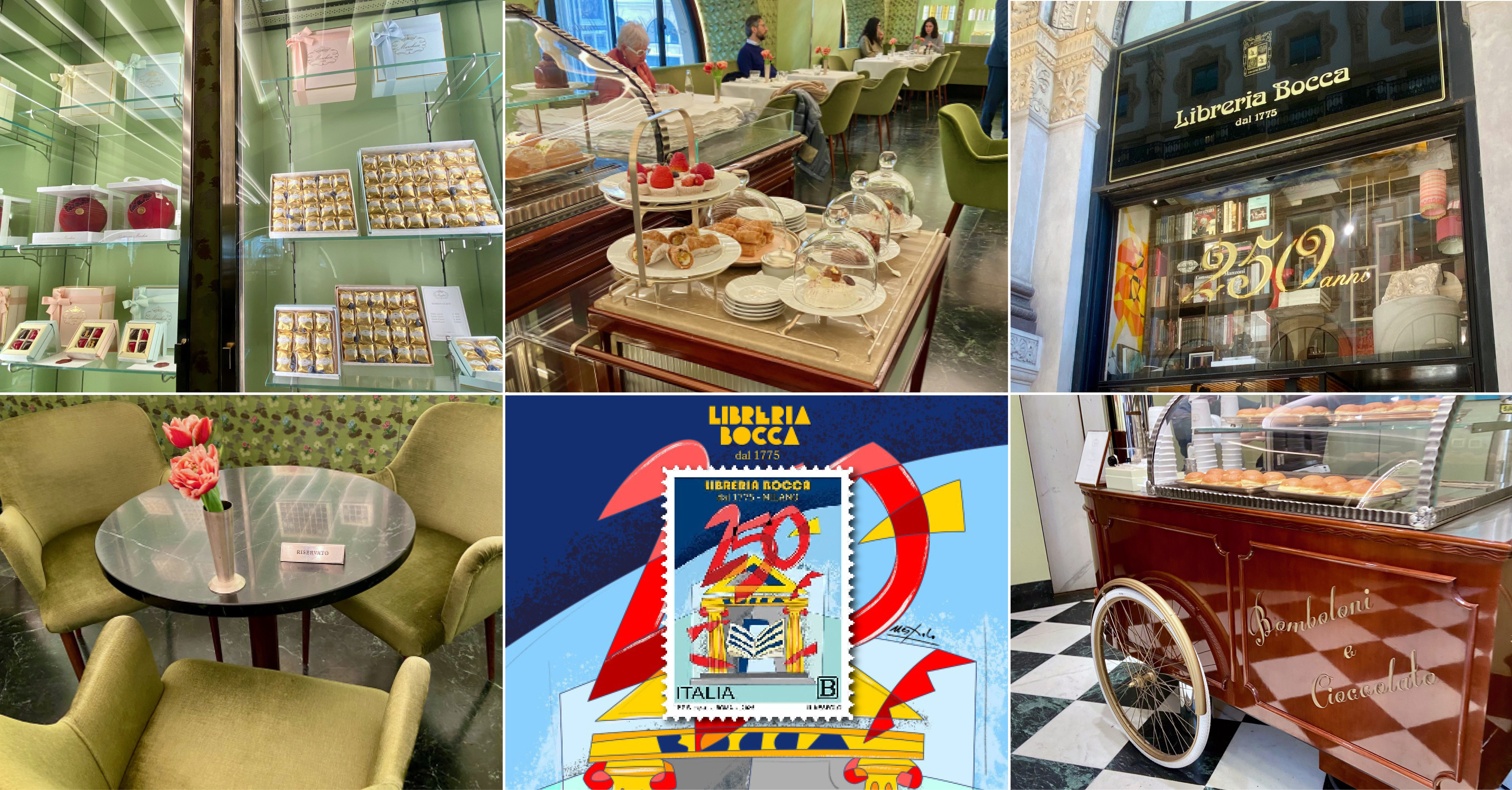
At Marchesi 1824, the experience begins before visitors reach the historic café upstairs. At the entrance, a small service trolley offers hot beverages and freshly prepared pastries. The interaction is simple, fast and precise, yet the product quality is exceptional and the presentation refined. Within moments, the senses are engaged and expectations rise. This thoughtful retail gesture builds confidence and curiosity, encouraging visitors to continue the journey.

Nothing needs to be explained. The experience creates the desire to explore.

Inside Libreria Bocca, one of the oldest bookstores in the city, continuity is expressed through atmosphere, behavior and brand symbolism. The presence of the family, the respect for the space and the carefully preserved practices create warmth and authenticity. Identity becomes tangible through the 250-year mark, visible on tote bags, stamps and a dedicated legacy publication. The story is not only communicated. It becomes something visitors can hold and carry.

In both cases, heritage is not described. It is lived. The result is belonging, and belonging is what people remember, share and return to.

Why Legacy Requires Stewardship

In markets defined by unlimited choice, continuity has become a powerful signal of stability and authenticity. Quality reinforces credibility, ritual creates emotional connection and consistency builds long-term trust.

Legacy does not lose value because it is old. It loses value when the experience no longer reflects its meaning.

The strategic challenge for legacy brands is stewardship: what must remain so the brand stays recognizable, and what must evolve so the experience continues to feel relevant.

Designing Continuity

At STIRIXIS Group, legacy is approached as a living system, not a static identity.

Before any transformation, we analyze how the brand operates experientially and behaviorally: how it welcomes, how it serves, how people move through the environment and how the brand connects with its place and community.

We identify what carries meaning over time:
• Rituals and behaviors people remember
• The sensory and spatial experience that shapes perception
• The pace and tone that build trust
• The visual and symbolic identity that expresses heritage

Evolution then becomes a process of translation. The essence remains recognizable, while the experience becomes clearer and aligned with contemporary expectations. Each touchpoint reinforces continuity, allowing new audiences to connect while existing ones continue to recognize the brand.

When continuity is designed intentionally, people remember, they retell, and they return.

The Future of Legacy

Longevity today is not defined by age, but by the ability to transform identity into lived experience. The brands that will endure are those that protect their character while remaining present in everyday life.

Legacy is not something to preserve at a distance. It is something to activate continuously so that history becomes experience and experience becomes a relationship that grows over time.

If your brand carries history, the question is not whether it should evolve, but how to translate its identity into an experience that remains relevant for the next generation.

At STIRIXIS Group, we design continuity through strategy, experience and behavioral insight, helping legacy brands remain recognizable and meaningful over time.

stirixisgroup.com | advance@stirixis.com

Repositioning Hospitality

By | BLOG, INSIGHTS, INSIGHTS

Repositioning Hospitality

Strategy for Lasting Hotel Value

Across the hospitality market, the challenge is no longer building new hotels. It is redefining existing ones. Family-owned properties, urban hotels, boutique concepts, heritage buildings, and lifestyle assets all face the same pressure: guest expectations are changing faster than the buildings themselves.

Renovation alone rarely solves this. What is required is repositioning.

Position Before Design

Today’s travellers move easily between different hospitality formats. They choose based on atmosphere, location, identity, and the way a place fits their lifestyle. Category matters less than experience coherence.

For owners and operators, this means that design decisions must support a clear market position.

A legacy hotel cannot compete through refurbishment alone. Its strength lies in character, history, and emotional familiarity. The strategic opportunity is to preserve authenticity while introducing contemporary comfort, operational clarity, and a renewed sense of relevance.

Boutique and lifestyle properties face a different challenge. Strong visual identity attracts attention, but long-term value depends on durability, efficient layouts, and spaces that support changing guest behaviours over time.

Urban hybrid concepts, including design-led hostels and flexible hospitality models, require a careful balance between privacy and community, autonomy and service, individual use and shared experience. Spatial hierarchy, visibility, and zoning determine whether social areas remain active or become underutilised.

Where Value is Created

Across all typologies, several shifts are shaping investment decisions.

• Public spaces are becoming central to the concept, acting as social anchors for guests and local communities.
• Material and aesthetic choices are moving toward longevity and timelessness, extending renovation cycles and protecting the asset’s value.
• Local identity is increasingly important. Hotels that reflect their cultural context achieve stronger differentiation and greater pricing confidence.
• Operational clarity is designed into the environment. Intuitive circulation, well-defined zones, and integrated service points support both guest independence and team efficiency.

These are strategic choices, not stylistic ones.

Hotel renovation is also a financial decision at scale. Budgets are significant, and the difference between cost and investment depends on the clarity of strategy. When positioning, operational logic, and lifecycle performance guide design decisions, capital expenditure is directed where it creates measurable value. Strategy turns money spent into money invested, protecting the asset and strengthening its long-term return.

They influence how the property is positioned in the market, how it is experienced day to day, and how it performs over its lifecycle.

“In hospitality, strategy defines positioning, experience, and long-term value.”

The real question for owners is no longer “How should the hotel look?”
It is “Who is this property for, and how should it live in today’s market?”

Strategy connects this positioning with spatial decisions, interior identity, and execution, ensuring that renovation becomes transformation rather than cosmetic change.

For three decades, STIRIXIS Group has supported hospitality owners and investors through this process, aligning concept, design, and delivery under one partner to secure relevance and long-term value.

If your hospitality asset is entering a renovation cycle, the critical question is not how it should change, but how the investment should position it for the years ahead.

Let’s define the strategy before the design.
Contact Us: advance@stirixis.com

Design Megatrends 2026

By | BLOG, INSIGHTS, INSIGHTS

Design Megatrends 2026

How Space is Changing Across Sectors

What is changing is not how spaces look. It is what they are expected to deliver. Across sectors, organizations no longer see space as a static environment or a visual statement. The built environment is now expected to function as a strategic asset, supporting performance, guiding behavior, and protecting long term value. This shift is structural. And it is redefining the role of design.

From space to ecosystem

Environments no longer operate independently. Retail connects with logistics and digital platforms. Workplaces integrate culture, technology, and talent strategy. Hospitality, healthcare, and education environments must align experience with operational efficiency.
The value of space is defined by how effectively it supports the wider system around it.

From aesthetics to performance

Visual quality remains important, but organizations increasingly measure success through outcomes. Productivity, dwell time, conversion, efficiency, operational costs, and lifecycle performance have become critical indicators. Design is expected to influence how people move, interact, and decide. It is no longer evaluated by appearance, but by its contribution to business performance.

“Space is no longer designed to be seen. It is designed to perform.”

From sustainability messaging to behavior design

Sustainability is moving from communication to everyday practice. The question is no longer what a space claims, but how people use resources within it. When environments guide choices through layout, lighting, materials, and operational logic, responsible behavior becomes natural. Sustainability becomes embedded in action.

From flexibility to operational resilience

Flexibility addresses change. Resilience prepares for pressure. Organizations now require environments that remain effective under uncertainty, shifting demand, and operational disruption. Design must anticipate scenarios, support continuity, and reduce long term risk.

From experience design to decision design

Experience remains essential, but behind every experience is a sequence of decisions. Movement, attention, interaction, and service flow are all shaped by environmental cues. Design increasingly structures these choices, creating clarity and reducing friction. When decisions are supported by the environment, engagement happens naturally.

What this Means for Organizations

Across sectors, expectations from space are converging. Environments must align people, operations, and strategy. They must deliver measurable value and remain effective over time.

This evolution expands the role of design from shaping environments to enabling performance.

The STIRIXIS Perspective

At STIRIXIS Group, design is approached as a strategic discipline. Through foresight, systems thinking, and performance-driven methodology, supported by Metallaxis Strategic Foresight, we translate business objectives into environments that influence behavior, support operations, and protect long term investment.

For 30 years, our work has focused on one principle: design must perform. If your environment is expected to do more than look good, it requires more than design.

Discover how strategic design can support your next project.
Explore our approach at stirixis.com or contact our team to start the conversation.
advance@stirixis.com

From Design to Strategic Design

By | BLOG, INSIGHTS, INSIGHTS

From Design to Strategic Design

Design for Sustainable Business Growth

STIRIXIS Group transformed Saint Paul Delasalle into an immersive educational experience, integrating both exterior and interior spaces.

For many years, design was evaluated by the quality of its execution.
Projects were considered successful when they were delivered on time, on budget, and aligned with the visual identity of the organisation. Today, the expectations have changed.

Across sectors, environments are no longer judged at the moment of completion. They are evaluated over time, based on how well they support market positioning, operational efficiency, user experience, and long-term relevance.

This shift has transformed the role of design.

From Form to Positioning

In increasingly competitive markets, space has become a strategic asset.
Retail environments must support evolving customer journeys and omnichannel behaviour.
Workplaces must adapt to hybrid models and changing collaboration patterns.
Hospitality assets must differentiate clearly while operating efficiently.
Residential and mixed-use developments must respond to new lifestyle expectations.

The key question is no longer how the space should look. It is how the environment should position the organisation or asset in its market.

From Aesthetics to Operational Logic

As complexity increases, spatial decisions directly affect daily performance.
Circulation influences service speed and efficiency.
Zoning affects collaboration, privacy, and utilisation.
Visibility shapes customer navigation and decision-making.
Layout determines staffing needs and operational cost.

When design is developed independently from operational thinking, inefficiencies become embedded in the environment.

Strategic Design integrates business objectives, workflows, and user patterns from the earliest stages, ensuring that the space supports the way the organisation operates.

From Delivery to Lifecycle Value

Success is no longer measured at handover. Organisations evaluate projects based on their ability to remain effective and relevant over time.
Material choices influence maintenance and replacement cycles.
Spatial flexibility determines the ability to adapt to new needs.
Concept clarity supports long-term brand positioning.

Design decisions now play a direct role in protecting asset value.

From Investment to Return

Every spatial decision represents a capital investment.
When strategy, operations, and design are aligned:
• Revenue potential increases
• Operational inefficiencies are reduced
• Maintenance and renovation cycles are extended
• Assets retain their market value longer

Strategic Design ensures that capital investment supports sustainable and profitable growth.

“Projects are no longer evaluated at delivery. They are evaluated by the value they create over time.”

As organisations operate in more complex and competitive environments, the question is no longer whether design is important. The real question is whether design decisions are aligned with strategy from the beginning.

For three decades, STIRIXIS Group has approached projects through this lens, integrating strategy, design, and execution to create environments that remain relevant, efficient, and valuable long after completion.

If your organisation is planning a new environment or entering a renovation cycle, the critical question is not how the space should look, but what it should achieve for the business over time. Let’s define the strategy before the design.
Enter #TrueProsperity advance@stirixis.com

Strategy in the Age of AI

By | BLOG, INSIGHTS, INSIGHTS

Strategy in the Age of AI

Performance That Improves Over Time 


Artificial Intelligence is accelerating how organizations operate. Processes are faster, information is abundant, and decisions are expected in real time. Across industries, companies are investing heavily in automation and advanced tools. Yet the real challenge is not technological. It is strategic.

As roles evolve, workflows shift, and customer expectations continue to change, the key question is no longer how to introduce AI into the business. The real question is whether the organization itself is designed to adapt, learn, and improve continuously.

In the age of AI, competitive advantage will not come from access to technology. It will come from adaptability and performance.

From Static Solutions to Adaptive Performance

For decades, organizations designed operations, workplaces, and systems as fixed solutions expected to deliver stable performance over time. Today, that model no longer holds. Business environments change too quickly, and technologies evolve faster than traditional investment cycles.

Future-ready organizations must function as adaptive systems. They need the ability to integrate new tools without disruption, adjust to changing collaboration patterns, and respond to new market conditions while maintaining strategic alignment.

Strategy supports this shift by moving beyond one-time solutions to frameworks that allow organizations to evolve while aligning operations, space, and technology with business strategy.

Speed Requires Direction

AI delivers efficiency, automation, and scale. It reduces operational effort and increases the speed at which information can be processed. However, speed alone does not create value.

Without clear priorities and governance, organizations risk generating more activity without improving outcomes. Faster decisions can lead to inconsistency. Increased output can dilute focus. Technology, when applied without strategic intent, amplifies complexity rather than performance.

“The real value of AI is not speed. It is the ability to improve decision quality at scale.”

Strategy ensures that automation accelerates what matters, defining where AI creates operational advantage and where human judgment must remain central to business performance and customer value.

Designing Investments That Appreciate

The most important shift introduced by AI is the need for systems that improve over time. Skills evolve, tools change, and ways of working are continuously refined. Yet many operational structures and workplaces are still treated as assets that gradually lose relevance.

Organizations now need environments and processes designed to increase their value. This requires identifying where change is most likely and building adaptability into those areas, while maintaining stability where consistency supports performance. By connecting operational and behavioral data, companies can understand what works, what does not, and where targeted adjustments will deliver measurable impact.

This approach transforms workplaces and operations into high-performing, adaptable business assets rather than depreciating ones.

Human Value in an Automated World

As automation expands, human contribution shifts toward areas that require context, judgment, and synthesis. Strategic thinking, problem-solving, creativity, and relationship management become the primary sources of differentiation.

Organizations must therefore reduce operational noise and create conditions for deeper thinking and better decision-making. Strategy supports this by removing friction where speed is required and preserving focus where reflection and collaboration drive innovation, alignment, and growth.

Strategy in a Changing Operating Reality

The organizations that will lead in the AI era will not be those with the most advanced tools. They will be those designed to learn, adapt, and align technology with business performance.

This marks an evolution in the role of strategy, from shaping spaces and experiences to designing adaptive, performance-driven business systems that integrate intelligence, guide decisions, and remain effective as change accelerates.

At STIRIXIS Group, this direction is reinforced through the development of AI culture and operational capability, ensuring that technology strengthens performance and supports the delivery of True Prosperity™ for our clients.

Because in the end, the advantage will not belong to the organizations that implement AI faster, but to those designed to become better every year.

Explore how STIRIXIS strategy aligns innovation, operations, and environments to improve performance over time.
For inquiries or to discuss how these principles apply to your organization, contact us at advance@stirixis.com.

The Perfect Storm in Retail

By | BLOG, INSIGHTS, INSIGHTS

The Perfect Storm in Retail

Five Forces Redefining the Role of the Store

Retail is not disappearing. The traditional store is.

The passive environment where products waited and transactions occurred can no longer compete with the speed, convenience, and price transparency of digital commerce. When everything is accessible instantly, physical presence without a defined role becomes operational cost without strategic return.

Today, five powerful forces are converging. Together, they are creating a perfect storm that is reshaping the nature of physical retail. These are not independent trends. They are interconnected system dynamics. Retailers who treat them as separate initiatives risk fragmented investment and declining performance.

The question is no longer what the store should look like. The question is what the store must become.

1. Purpose Before Transactions

When consumers can buy anything from a device, the store cannot exist only to sell.
The physical environment is becoming a purpose-led ecosystem where the brand’s identity, values, and relevance are experienced. Stores designed only for transactions compete on price and efficiency. Stores designed around meaning create emotional connection, trust, and long-term loyalty.

Purpose is no longer communication. It is the foundation of retail performance.

2. Flexibility as Operating Logic

Retail environments built for stability struggle in a volatile market.
Winning retailers treat their spaces as a modular platform and increasingly as an operating system: reconfigurable, testable, and able to evolve as quickly as demand, behavior, and business priorities change. Layouts adapt. Concepts are piloted and refined. Zones expand, contract, or transform based on performance data.

Flexibility reduces risk, accelerates learning, and protects investment over time.

3. From Foot Traffic to Intent

Location alone no longer guarantees performance.
Proximity is now defined by intent: contextual, temporal, and social relevance. The strongest locations are not those with the highest traffic, but those that position the brand within the cultural rhythm of their community and the moments that matter to customers throughout the day.

Retail value comes from being meaningful in context, not simply being nearby.

4. The Store as a Demand Engine

The physical store is evolving into a media and intelligence asset.
Instrumented environments no longer only observe behavior. They generate insight, visibility, content, and demand. Physical presence now contributes directly to discovery and growth across the entire customer journey. With the rise of agentic commerce, a new visitor is emerging: the algorithm. If AI systems cannot detect, interpret, and connect your physical presence, entire segments of demand may never reach your brand.

Retail space is no longer a cost center. It is part of the growth infrastructure.

5. The Last Human Advantage

Digital experiences are becoming faster, personalized, and increasingly similar.
The physical store remains the only environment where brands can deliver real human interaction, sensory engagement, and emotional memory. Presence, empathy, and spontaneity create differentiation that technology cannot replicate.

In a landscape of algorithmic efficiency, human connection becomes a strategic advantage.

“Physical retail performs when space operates as a purpose ecosystem, an adaptive platform, and a human experience system.”

One System, Not Five Trends

These forces reinforce each other. Purpose drives relevance. Data informs adaptation. Flexibility enables responsiveness. Human experience strengthens emotional value.

Retail transformation must therefore be approached as a system.

This is not a design exercise. It is a matter of strategic design that defines the role of physical space within the business model and aligns it with growth, resilience, and long-term performance.

Strategy Through Foresight

At STIRIXIS Group, these systemic forces are translated into business priorities and implemented through environments that perform under real market conditions. METALLAXIS strategic foresight identifies the emerging dynamics shaping retail, while STIRIXIS ensures that strategy is carried through execution without dilution.

The future of retail will not be defined by how stores look.
It will be defined by the role they play in business performance.

If you are redefining what your retail network must become, we invite you to continue the conversation with STIRIXIS Group.
advance@stirixis.com
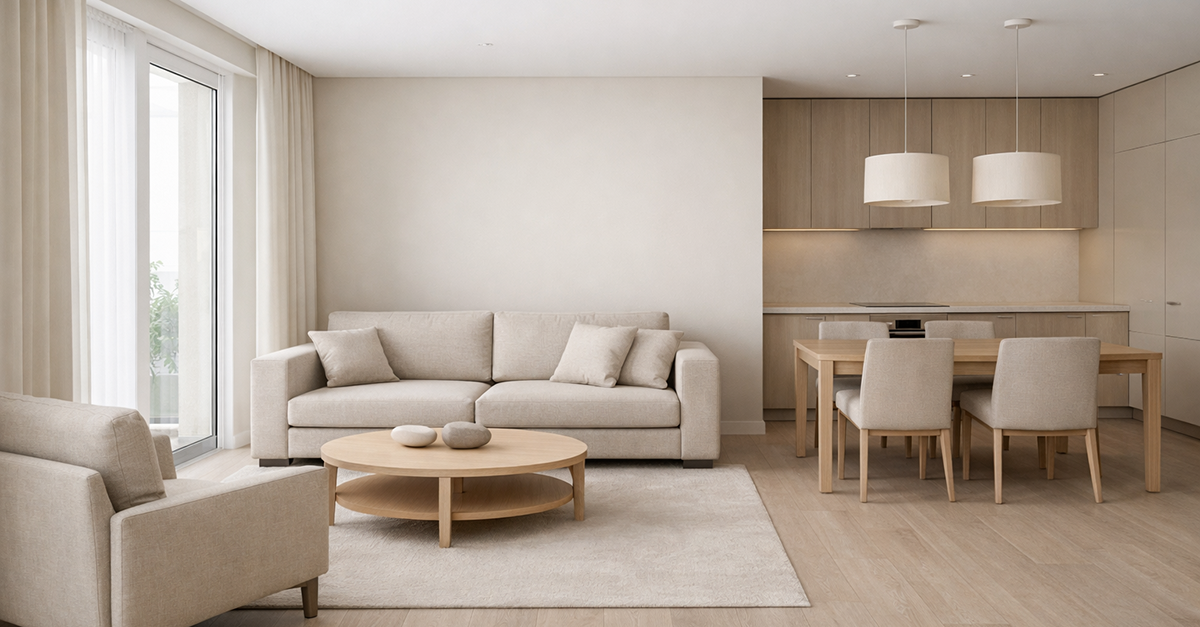
Explore our work in retail.

Beyond Project Delivery

By | BLOG, INSIGHTS, INSIGHTS

Beyond Project Delivery

When success is measured after handover

By Gerasimos Pavlidis, Construction Management Lead, STIRIXIS Group

Summary

Projects are often judged by delivery metrics, yet many that succeed on time, cost, and quality fail to perform once in operation. The concept of Project Excellence addresses this gap by shifting success beyond handover. At STIRIXIS Group, Construction Management aligns delivery decisions with post-handover performance, ensuring projects contribute to True Prosperity over time.

A project can be delivered successfully and still fail its owner.

Across industries, sometimes projects are celebrated at handover, only to underperform once they enter operation. Restaurants delivered on time and on budget never reach profitability. Retail spaces open flawlessly yet fail to attract footfall and sales at the cashier. Workplaces meet every specification but struggle to support productivity and culture.

From a traditional Project Management perspective, these projects are successful.
From an owner’s perspective, they are not.

When Delivery Is Not the Finish Line

Project Management has long focused on controlling scope, cost, time, and quality. These disciplines are essential. Without them, projects fail before they begin.

However, delivery metrics measure completion, not consequence.

Recognising this gap, Project Management institutions introduced the concept of Project Excellence to acknowledge that a technically successful project can still fall short of its intended business purpose. The challenge they identified was not delivery discipline, but relevance beyond handover.

This reframed the question from “Was the project delivered correctly?” to “Did the project deliver value once in use?”

Performance Beyond Handover

Owners do not invest in projects to achieve handover milestones. They invest to enable performance: revenue generation, operational efficiency, user experience, brand strength, and long-term resilience.

These outcomes are shaped long before opening day.

Decisions made during strategy definition, design development, procurement, and construction directly influence operational reality. When delivery decisions are disconnected from post-handover performance, projects are optimised for completion rather than success.

Construction Management as a Performance Enabler

At STIRIXIS Group, Construction Management operates within a broader strategic system that extends responsibility beyond delivery.

This means that during execution:
• spatial decisions are evaluated against operational and revenue logic
• material selections consider lifecycle cost, durability, and maintenance, not capital cost alone
• sustainability choices are assessed for real operational impact, not symbolic compliance
• phasing and sequencing support business ramp-up rather than construction convenience

Delivery discipline remains critical. What changes is the evaluation lens.

Project Excellence Requires Continuity

Project Excellence cannot be achieved adding new metrics at the end. It requires continuity between strategic intent and execution decisions.

When Construction Management is embedded within a strategy-through-execution model, delivery choices are made with awareness of their long-term implications. This prevents technically sound decisions from undermining future performance.

“A project is not successful when it is delivered. It is successful when it performs.”

True Prosperity, Proven Over Time

True Prosperity is not achieved at delivery. It is proven through sustained performance.

When projects are governed with post-handover outcomes in mind, delivery becomes a foundation rather than a finish line. Assets perform, businesses endure, and investment retains its value.

This is how STIRIXIS Group aligns Project Excellence with True Prosperity.
This is how delivery decisions continue to work in the client’s favor.

If you are planning a project where success must extend beyond handover, connect with STIRIXIS Group to structure an integrated approach that aligns strategy, delivery, and long-term performance.

advance@stirixis.com

Strategic design thinking focused on performance, governance, and long-term value delivery

Design That Performs

By | BLOG, INSIGHTS, INSIGHTS

Design That Performs

Strategic Design Is the Difference Between Vision and Delivery 

Strategic design thinking focused on performance, governance, and long-term value delivery

Design is never just about form. Every design decision carries consequences for costprocurementtimelinesoperations, and long-term performance. When these implications are not addressed early, complexity grows quietly across the lifecycle of a project, often surfacing later as inefficiency, delay, or compromised value. 

At STIRIXIS Group, we approach design as a strategic responsibility. Before a line is drawn, design must account for investment logic, operational reality, regulatory context, user behavior, and long-term value creation. This is not a constraint on creativity. It is the framework that allows creativity to perform. 

Decisions Before Drawings 

Strategic design begins before design in the conventional sense. It starts with clarity: clarity of intent, priorities, and decision ownership. It establishes how choices will be made, how trade-offs will be evaluated, and how alignment will be maintained from strategy through execution. 

When this structure is in place, design becomes a system that carries intent forward. It no longer relies on correction or justification later. Execution follows direction because the decisions that shape it are already governed. 

Performance Is Designed In 

The impact of strategic design becomes measurable over time. Projects progress with greater certainty. Procurement aligns more smoothly. Construction sequencing supports efficiency. Operational costs are anticipated rather than absorbed. Assets adapt more effectively to change. ROI is considered from the outset, not added as an afterthought. 

Strategic design is inseparable from accountability. Design decisions influence outcomes long after delivery. They shape how environments perform, how people behave, and how value is sustained. Treating design as taste alone introduces risk. Treating it as a governing framework protects investment. 

“Strategic design protects investment by governing decisions early and designing for performance over time”. 

Thirty Years of Trust 

For more than 30 years, STIRIXIS has delivered projects that perform under real conditions, with discipline, clarity, and consistency. This experience builds judgment: knowing which decisions create long-term value, which introduce avoidable complexity, and which will matter years after completion. 

Over time, this approach has shown that when strategic intent, operational clarity, and delivery discipline are aligned, environments are able to sustain performance well beyond completion. This is the foundation of True Prosperity™: creating environments that support profitable growth, resilience, and enduring value for clients, users, and ecosystems. 

One Partner, End to End 

Strategic design requires continuity. When strategy, design, and execution are fragmented, intent erodes. As a single, accountable partner from strategy through delivery, STIRIXIS Group safeguards coherence and ensures that early decisions are carried through without dilution. 

Design becomes more than a phase. It becomes a system for performance. 

Design determines whether vision remains an aspiration or becomes a performing reality. When design is strategic, governed, and accountable, it enables delivery, protects value, and sustains growth. 

If you are looking for a partner who designs with foresight, accountability, and performance in mind, we invite you to continue the conversation with STIRIXIS