
How Legacy Becomes a Strategic Brand Experience
By Nadia Christidi, Senior Brand Communications Strategist, STIRIXIS Group
Summary
Digital channels shape expectations before a visit, but the true value of a legacy brand is confirmed through physical experience. When heritage is translated into sensory, behavioral and symbolic continuity, it creates something stronger than recognition. It creates a relationship, and relationships are what people remember, retell and return to.
Today, the first encounter with a brand often happens before the physical visit. Digital platforms build perception and anticipation, allowing people to imagine the experience in advance. The decisive moment comes when the physical environment confirms that promise.
Space, service, product quality and atmosphere engage the senses and turn expectation into reality. This is where a brand becomes tangible. For legacy brands, this moment is critical. History signals credibility and cultural depth, but heritage alone does not create relevance. Legacy becomes valuable when people experience it in the present.
When Continuity Builds Relationship
Brands that endure do not rely on their past as a story to communicate. They express identity through consistent behavior and carefully designed experiences.
Quality that can be felt. Rituals that create familiarity. Consistency that builds trust.
Over time, these elements create something deeper than satisfaction. They build a relationship. People return not because a brand is historic, but because the experience feels authentic and worth repeating.
The value of legacy is not in history. It is in the experience people want to live again.
Where Legacy Becomes Visible
Cities with strong cultural identity often make this dynamic clear. Milan offers a strong example, where long-established brands operate as living systems rather than symbols of the past.
Around the Duomo, heritage is activated through everyday interactions.
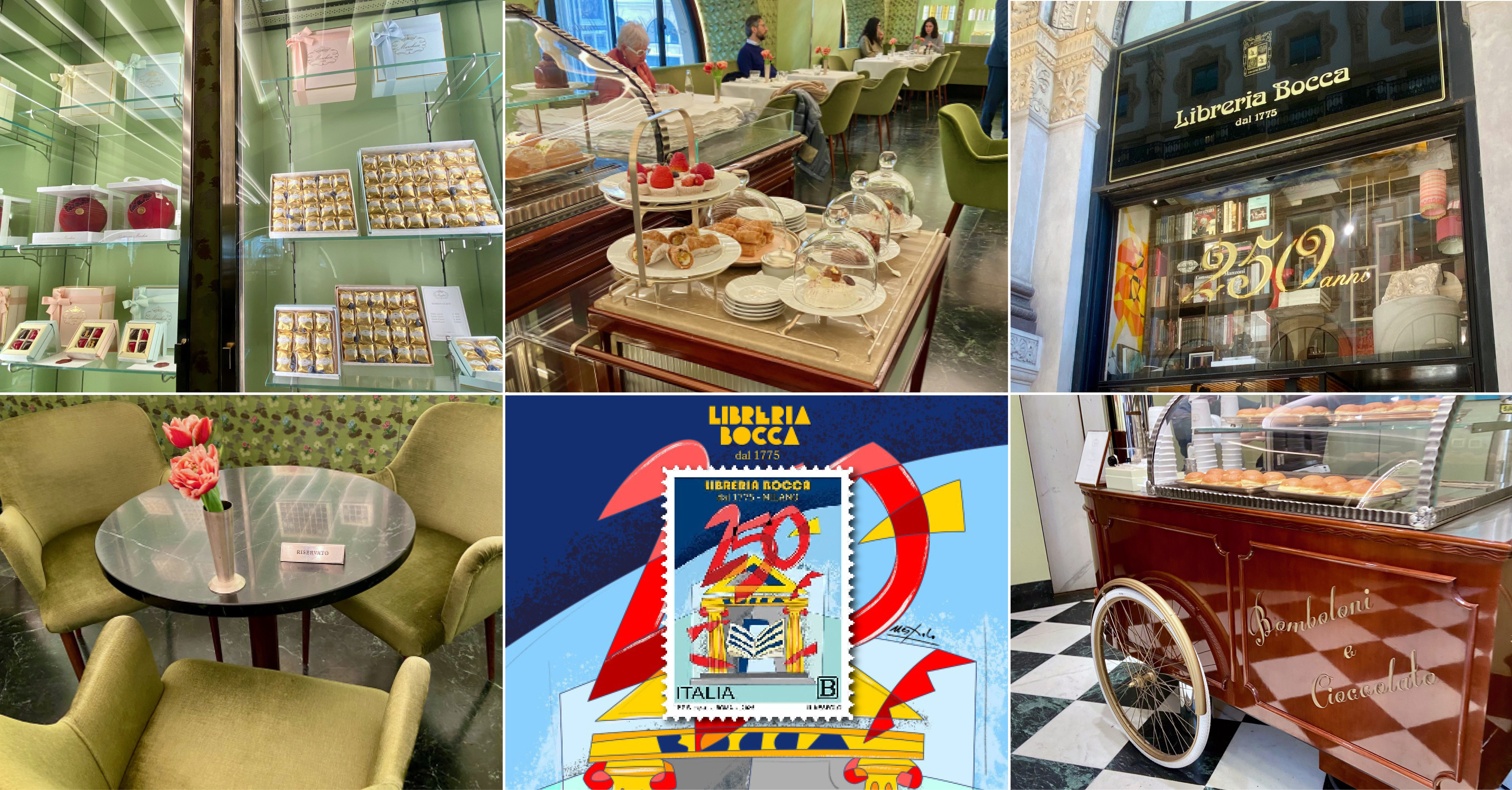
At Marchesi 1824, the experience begins before visitors reach the historic café upstairs. At the entrance, a small service trolley offers hot beverages and freshly prepared pastries. The interaction is simple, fast and precise, yet the product quality is exceptional and the presentation refined. Within moments, the senses are engaged and expectations rise. This thoughtful retail gesture builds confidence and curiosity, encouraging visitors to continue the journey.
Nothing needs to be explained. The experience creates the desire to explore.
Inside Libreria Bocca, one of the oldest bookstores in the city, continuity is expressed through atmosphere, behavior and brand symbolism. The presence of the family, the respect for the space and the carefully preserved practices create warmth and authenticity. Identity becomes tangible through the 250-year mark, visible on tote bags, stamps and a dedicated legacy publication. The story is not only communicated. It becomes something visitors can hold and carry.
In both cases, heritage is not described. It is lived. The result is belonging, and belonging is what people remember, share and return to.
Why Legacy Requires Stewardship
In markets defined by unlimited choice, continuity has become a powerful signal of stability and authenticity. Quality reinforces credibility, ritual creates emotional connection and consistency builds long-term trust.
Legacy does not lose value because it is old. It loses value when the experience no longer reflects its meaning.
The strategic challenge for legacy brands is stewardship: what must remain so the brand stays recognizable, and what must evolve so the experience continues to feel relevant.
Designing Continuity
At STIRIXIS Group, legacy is approached as a living system, not a static identity.
Before any transformation, we analyze how the brand operates experientially and behaviorally: how it welcomes, how it serves, how people move through the environment and how the brand connects with its place and community.
We identify what carries meaning over time:
• Rituals and behaviors people remember
• The sensory and spatial experience that shapes perception
• The pace and tone that build trust
• The visual and symbolic identity that expresses heritage
Evolution then becomes a process of translation. The essence remains recognizable, while the experience becomes clearer and aligned with contemporary expectations. Each touchpoint reinforces continuity, allowing new audiences to connect while existing ones continue to recognize the brand.
When continuity is designed intentionally, people remember, they retell, and they return.
The Future of Legacy
Longevity today is not defined by age, but by the ability to transform identity into lived experience. The brands that will endure are those that protect their character while remaining present in everyday life.
Legacy is not something to preserve at a distance. It is something to activate continuously so that history becomes experience and experience becomes a relationship that grows over time.
If your brand carries history, the question is not whether it should evolve, but how to translate its identity into an experience that remains relevant for the next generation.
At STIRIXIS Group, we design continuity through strategy, experience and behavioral insight, helping legacy brands remain recognizable and meaningful over time.
stirixisgroup.com | advance@stirixis.com
