
Strategy for Lasting Hotel Value
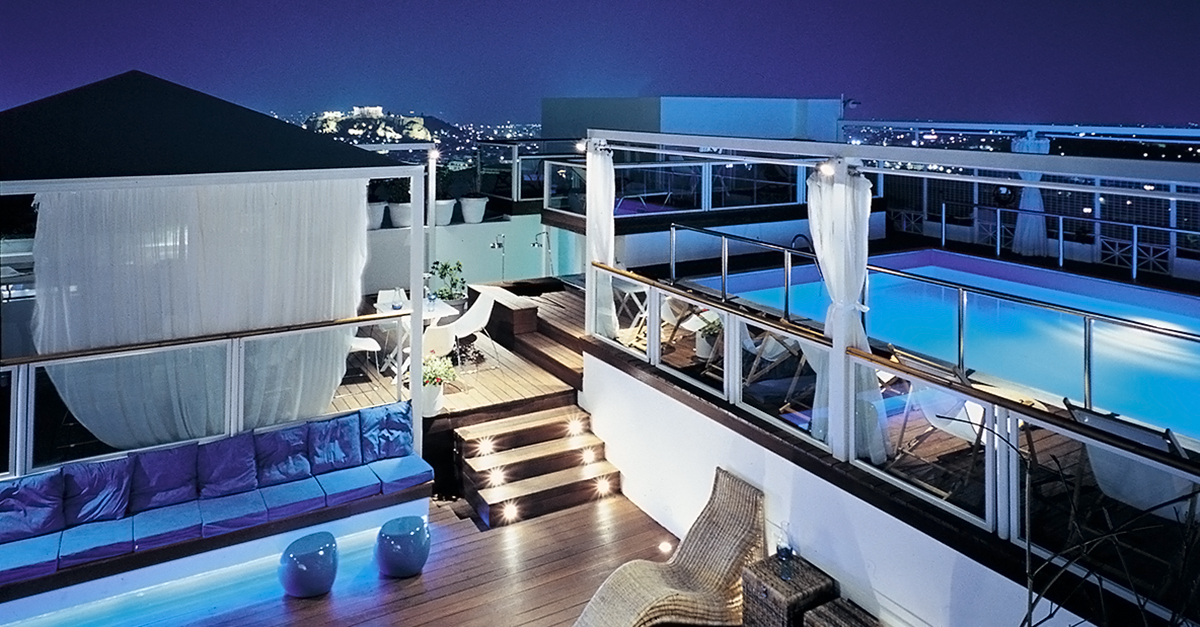
Across the hospitality market, the challenge is no longer building new hotels. It is redefining existing ones. Family-owned properties, urban hotels, boutique concepts, heritage buildings, and lifestyle assets all face the same pressure: guest expectations are changing faster than the buildings themselves.
Renovation alone rarely solves this. What is required is repositioning.
Position Before Design
Today’s travellers move easily between different hospitality formats. They choose based on atmosphere, location, identity, and the way a place fits their lifestyle. Category matters less than experience coherence.
For owners and operators, this means that design decisions must support a clear market position.
A legacy hotel cannot compete through refurbishment alone. Its strength lies in character, history, and emotional familiarity. The strategic opportunity is to preserve authenticity while introducing contemporary comfort, operational clarity, and a renewed sense of relevance.
Boutique and lifestyle properties face a different challenge. Strong visual identity attracts attention, but long-term value depends on durability, efficient layouts, and spaces that support changing guest behaviours over time.
Urban hybrid concepts, including design-led hostels and flexible hospitality models, require a careful balance between privacy and community, autonomy and service, individual use and shared experience. Spatial hierarchy, visibility, and zoning determine whether social areas remain active or become underutilised.
Where Value is Created
Across all typologies, several shifts are shaping investment decisions.
• Public spaces are becoming central to the concept, acting as social anchors for guests and local communities.
• Material and aesthetic choices are moving toward longevity and timelessness, extending renovation cycles and protecting the asset’s value.
• Local identity is increasingly important. Hotels that reflect their cultural context achieve stronger differentiation and greater pricing confidence.
• Operational clarity is designed into the environment. Intuitive circulation, well-defined zones, and integrated service points support both guest independence and team efficiency.
These are strategic choices, not stylistic ones.
Hotel renovation is also a financial decision at scale. Budgets are significant, and the difference between cost and investment depends on the clarity of strategy. When positioning, operational logic, and lifecycle performance guide design decisions, capital expenditure is directed where it creates measurable value. Strategy turns money spent into money invested, protecting the asset and strengthening its long-term return.
They influence how the property is positioned in the market, how it is experienced day to day, and how it performs over its lifecycle.
“In hospitality, strategy defines positioning, experience, and long-term value.”
The real question for owners is no longer “How should the hotel look?”
It is “Who is this property for, and how should it live in today’s market?”
Strategy connects this positioning with spatial decisions, interior identity, and execution, ensuring that renovation becomes transformation rather than cosmetic change.
For three decades, STIRIXIS Group has supported hospitality owners and investors through this process, aligning concept, design, and delivery under one partner to secure relevance and long-term value.
If your hospitality asset is entering a renovation cycle, the critical question is not how it should change, but how the investment should position it for the years ahead.
Let’s define the strategy before the design.
Contact Us: advance@stirixis.com
