
How Space is Changing Across Sectors
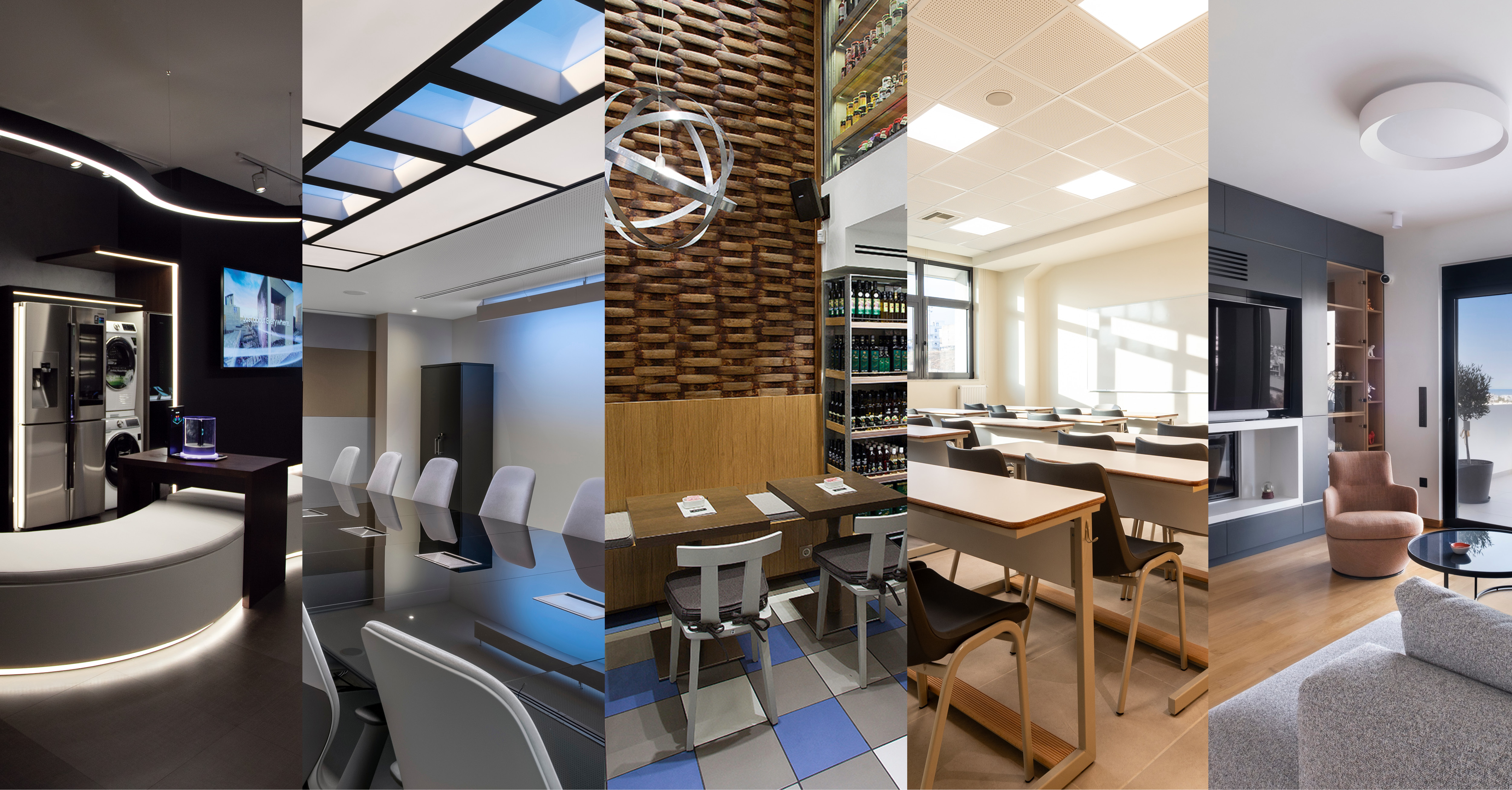
What is changing is not how spaces look. It is what they are expected to deliver. Across sectors, organizations no longer see space as a static environment or a visual statement. The built environment is now expected to function as a strategic asset, supporting performance, guiding behavior, and protecting long term value. This shift is structural. And it is redefining the role of design.
From space to ecosystem
Environments no longer operate independently. Retail connects with logistics and digital platforms. Workplaces integrate culture, technology, and talent strategy. Hospitality, healthcare, and education environments must align experience with operational efficiency.
The value of space is defined by how effectively it supports the wider system around it.
From aesthetics to performance
Visual quality remains important, but organizations increasingly measure success through outcomes. Productivity, dwell time, conversion, efficiency, operational costs, and lifecycle performance have become critical indicators. Design is expected to influence how people move, interact, and decide. It is no longer evaluated by appearance, but by its contribution to business performance.
“Space is no longer designed to be seen. It is designed to perform.”
From sustainability messaging to behavior design
Sustainability is moving from communication to everyday practice. The question is no longer what a space claims, but how people use resources within it. When environments guide choices through layout, lighting, materials, and operational logic, responsible behavior becomes natural. Sustainability becomes embedded in action.
From flexibility to operational resilience
Flexibility addresses change. Resilience prepares for pressure. Organizations now require environments that remain effective under uncertainty, shifting demand, and operational disruption. Design must anticipate scenarios, support continuity, and reduce long term risk.
From experience design to decision design
Experience remains essential, but behind every experience is a sequence of decisions. Movement, attention, interaction, and service flow are all shaped by environmental cues. Design increasingly structures these choices, creating clarity and reducing friction. When decisions are supported by the environment, engagement happens naturally.
What this Means for Organizations
Across sectors, expectations from space are converging. Environments must align people, operations, and strategy. They must deliver measurable value and remain effective over time.
This evolution expands the role of design from shaping environments to enabling performance.
The STIRIXIS Perspective
At STIRIXIS Group, design is approached as a strategic discipline. Through foresight, systems thinking, and performance-driven methodology, supported by Metallaxis Strategic Foresight, we translate business objectives into environments that influence behavior, support operations, and protect long term investment.
For 30 years, our work has focused on one principle: design must perform. If your environment is expected to do more than look good, it requires more than design.
Discover how strategic design can support your next project.
Explore our approach at stirixis.com or contact our team to start the conversation.
advance@stirixis.com
